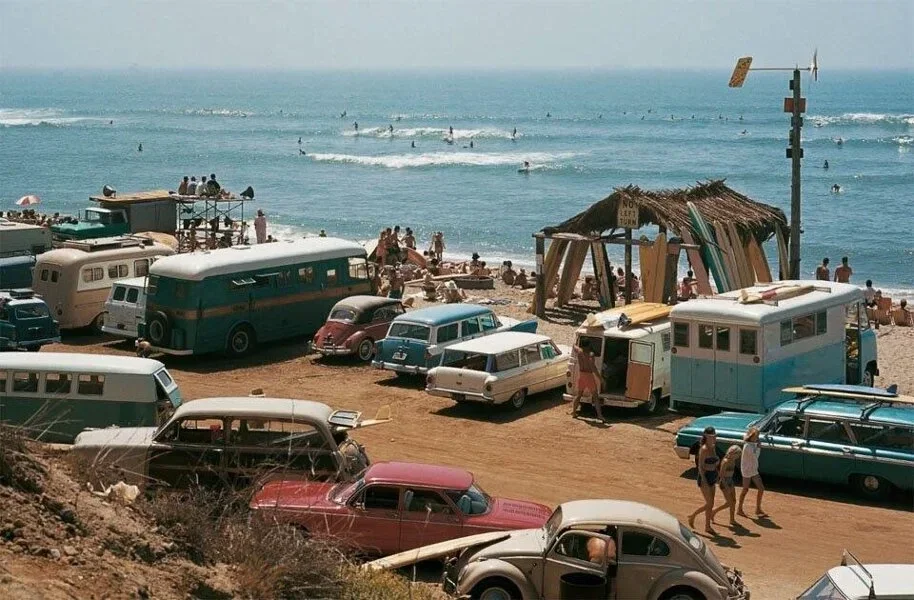
A Malibu Original
Originally known as the Sea Esta Lodge, The Malibu Motel has been a Malibu landmark since 1947 — thoughtfully restored to keep the mid-century character intact, with modern amenities that make it feel just as good as it looks.
Some places just have a way of holding onto people.
This little stretch of PCH has been welcoming guests for longer than most of us can remember. You might know it as the Sea Esta Lodge — a name that still captures something true about this place. A spot to slow down, pull up a chair, and let Malibu do what Malibu does best.
The Malibu Motel is family owned, by people who were born and raised right here on the coast. We know which morning the surf is best, which breakfast burrito is worth the wait, and exactly how golden the light gets at 5pm in October. That's not something you can manufacture — it's something you inherit.
And the location? It speaks for itself. Steps from the Pacific Coast Highway, less than a mile from the Malibu Pier, with the kind of ocean access that guests at other properties pay a lot more for. We've always believed that a truly great Malibu experience should be within reach — and that's never going to change.
We’ve been doing some work. New renovations, upgraded rooms, and in-room touches — including local snacks worth staying in for — have earned us a three-star rating. What it represents has been here all along — genuine hospitality, a deep love for this stretch of coastline, and a place that feels like Malibu actually feels, not how people imagine it does.
We're glad you found us.
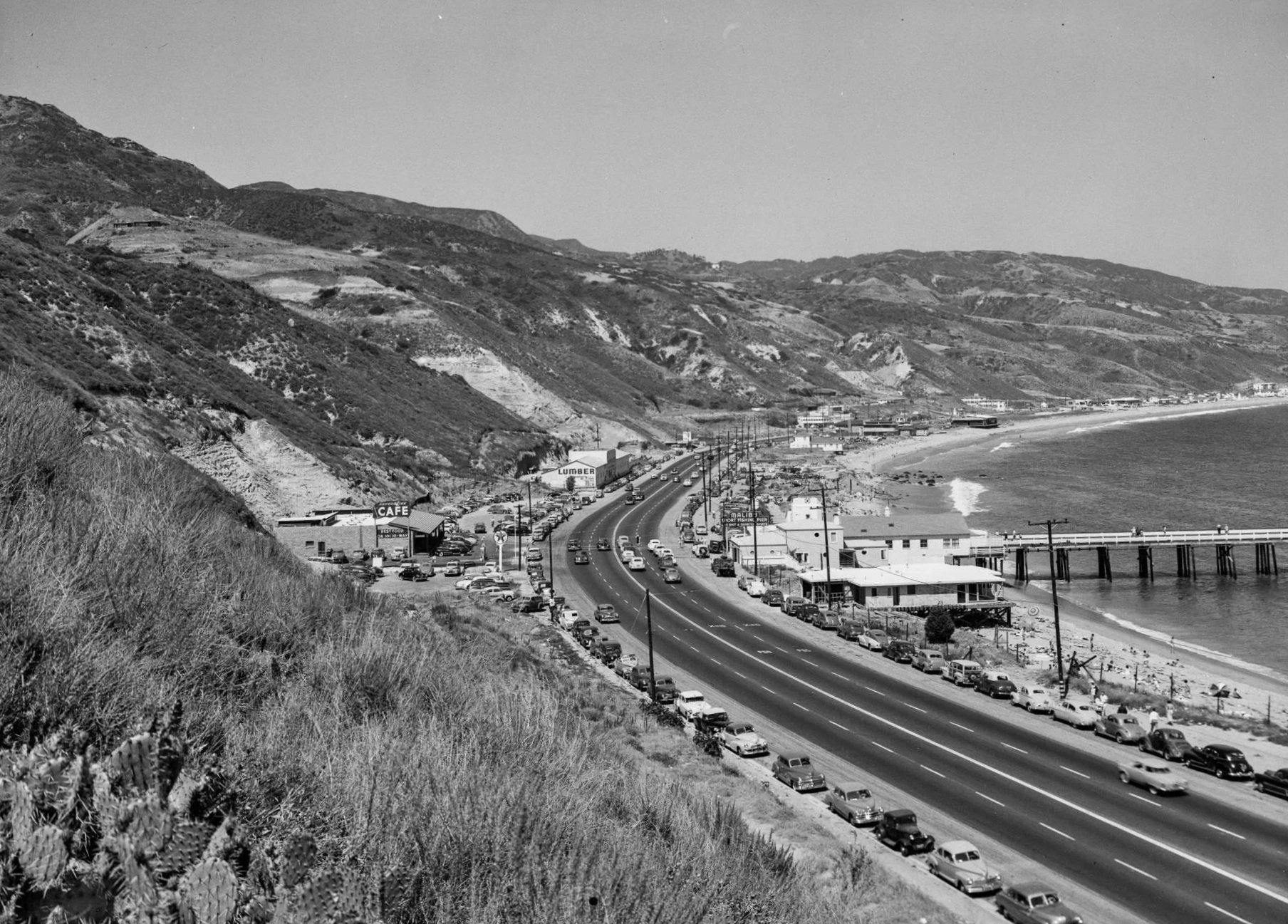
A Little History
The name itself tells you everything. Long before it was a zip code or a lifestyle brand, this stretch of coastline was called Humaliwo by the Chumash people who called it home — meaning "where the surf sounds loudly."
When the Pacific Coast Highway opened in 1929, it ended Malibu's isolation. But it didn't end Malibu's character. If anything, the road just let more people in on the secret. In the postwar years, Malibu became a hothouse for surf culture — a place far enough from Los Angeles to feel like another world entirely, yet close enough to draw in everyone who needed an escape from it. White sand and dramatic coastal bluffs gave it the feeling of being entirely removed from the city, when in fact it was only 30 miles away.
By the 1970s, surfing had become something bigger than a sport — it was an expression of freedom, a respite from a topsy-turvy world. The surfers who called Malibu home weren't just athletes. They were adventurers, environmentalists, and counterculture icons — people who had chosen the ocean over everything else and built a life around that choice. That ethos got passed down.
Today Malibu is many things to many people. But underneath the famous names and the real estate prices, it's still a small coastal town where the conversation tends to drift back to the water. What the swell is doing. Which way the wind is blowing. Whether the tide is right. Surfrider Beach was named the first World Surfing Reserve on earth — not just for the quality of its waves, but for the community of people who have protected it, generation after generation.
That community is still here. Still in the water every morning. Still waving at the same faces in the lineup, still arguing about the best run on the point. Malibu has always belonged to the people who love it most. It always will.